
The good news? The independent vs assisted living difference isn’t as complicated as it sounds once someone breaks it down in plain language. That’s what we’re doing here.
What Is Independent Living?
Choosing a senior living option for someone you love is never just a checklist decision. It’s an emotional one too. If you’ve been searching “independent living vs assisted living” late at night trying to figure out what actually fits your family’s situation, you’re not alone. Thousands of families go through this exact search every month, and most of them feel just as confused as you do right now.
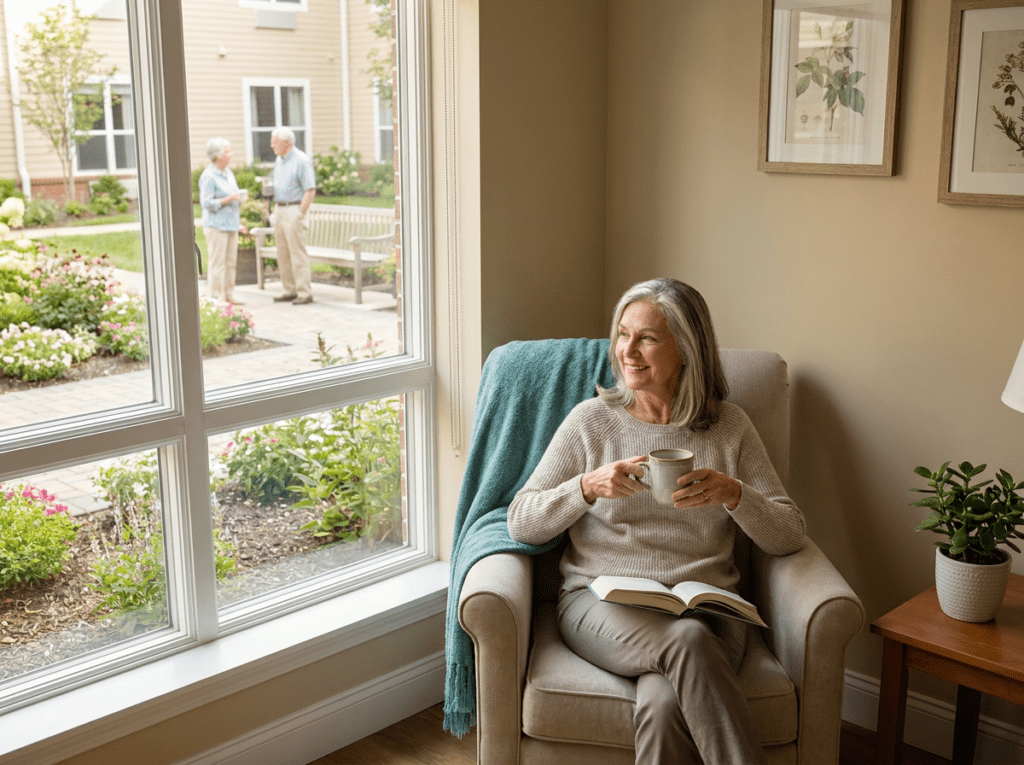
Independent living is built for seniors who are active, healthy, and simply tired of home maintenance, cooking every meal, or living alone. Think of it as a lifestyle upgrade: private apartments or cottages, a built-in social calendar, housekeeping, and dining options, all without the daily chores of running a house.
When people compare independent living vs assisted living, this is usually the starting point of confusion: independent living doesn’t include hands-on medical or personal care. Residents here don’t need help bathing, dressing, or managing medications. They just want an easier, more social lifestyle.
Senior independent living communities are popular because they let older adults keep their independence while removing the stress of home upkeep, things like lawn care, repairs, cooking, and cleaning, all handled for them.
What Is Assisted Living?
Assisted living, on the other hand, is designed for seniors who need a bit of extra support with daily activities. This could mean help with bathing, dressing, medication reminders, mobility assistance, or simply having staff nearby around the clock for safety.
This is the biggest distinction people miss when weighing independent living vs assisted living: assisted living blends the comfort of a private residence with trained caregiving staff on site. It’s not a hospital and it’s not a nursing home. It’s a home with support built in.
Communities offering independent assisted living setups often let residents move between the two levels of care as needs change, which brings us to a really important point below.

Independent Living vs Assisted Living: The Real Differences
Let’s break this down simply, because most articles overcomplicate it.
1. Level of Care
Independent living = no daily care needed. Assisted living = help with daily tasks like bathing, dressing, or medications.
This single factor is usually what settles the independent living vs assisted living decision for most families.
2. Staffing
Independent living communities have staff for activities, dining, and maintenance, not caregiving. Assisted living communities have trained caregivers available 24/7.
3. Cost Structure
Independent living tends to cost less because there’s no personal care included. Assisted living costs reflect the added staffing, safety monitoring, and care planning. For official guidance on what federal programs cover, visit Medicare.gov.
4. Privacy and Independence
Both options offer private apartments. The difference is support, not freedom. Residents in assisted living still live independently. They just have help available when they want it.
5. Health Monitoring
Assisted living includes regular wellness checks and coordination with doctors. Independent living usually doesn’t, since residents manage their own health.
Understanding independent living vs assisted living really comes down to one question: does your loved one need daily help, or do they just want an easier lifestyle?
Assisted Living vs Nursing Home: Don’t Confuse the Two
A lot of families searching independent living vs assisted living also wonder how assisted living vs nursing home fits into the picture. Here’s the simple version:
- Assisted living is for seniors who are mostly independent but need some daily support.
- Nursing homes (also called skilled nursing facilities) are for seniors with serious medical needs requiring round the clock nursing care, often after surgery, a major illness, or advanced health decline.
If your parent can walk, socialize, and manage most of their day but just needs reminders or a little help, assisted living vs nursing home usually points toward assisted living. Nursing homes are more clinical, more medical, and typically the option when 24 hour skilled nursing is medically necessary.
Signs It’s Time to Move from Independent to Assisted Living
One of the most searched questions is about independent living to assisted living transitions, because needs change over time, and families want to know when it’s time to make that move.
Watch for these signs:
- Increased forgetfulness with medications
- Unsteady balance or recent falls
- Skipping meals or noticeable weight loss
- Trouble managing hygiene or dressing
- Feeling isolated or withdrawn socially
- Family noticing a decline that wasn’t there a year ago
If you’re seeing two or more of these, it’s worth having the conversation. The move from independent living to assisted living isn’t a failure. It’s simply matching support to need, and most seniors actually feel relieved once the right help is in place.
Resident Rights in Assisted Living: What Families Should Know
Before choosing a community, it’s worth understanding resident rights in assisted living. Every resident, regardless of the community, is entitled to:
- Privacy and dignity in their living space
- The right to make their own choices about daily life
- Access to their own medical information
- Freedom from neglect, abuse, or unnecessary restraint
- The right to voice complaints without fear of retaliation
- Involvement in their own care planning
Knowing resident rights in assisted living helps families ask better questions during tours and hold communities accountable to real standards, not just marketing promises.
How Silver Serenity Assisted Living Can Help
Figuring out independent vs assisted living isn’t something you should have to do alone. At Silver Serenity Assisted Living, our team sits down with families one on one to understand daily routines, health needs, and personal preferences before recommending anything.
We don’t believe in a one size fits all answer. Whether your loved one needs a low key, independent lifestyle or a bit of daily support, our brand focuses on matching the right level of care to the right person, with warmth, patience, and honesty every step of the way. We can help you tour communities, understand pricing, and explore our care services and what a typical day actually looks like, so you’re deciding based on facts, not guesswork.
Independent vs Assisted Living: Practical Tips Before You Decide
- Make a list of daily tasks your loved one currently needs help with. This alone often answers the independent living vs assisted living question.
- Visit in person, and don’t just look at the lobby. Ask to see a resident’s actual apartment.
- Ask about staff to resident ratios, especially for assisted living.
- Talk to current residents or families, not just staff.
- Review the contract carefully for what’s included versus what costs extra.
Independent vs Assisted Living: Final Thoughts
At the end of the day, independent vs assisted living isn’t about which one is “better.” It’s about which one fits the person you love right now. Needs change, and that’s completely normal. The goal is simply making sure your parent or loved one is safe, comfortable, and living somewhere that supports their actual daily life, not an idealized version of it.
If you’re still unsure, reach out to Silver Serenity Assisted Living for a no pressure conversation. We’ll help you understand your options clearly, honestly, and without the overwhelm, because this decision deserves real guidance, not guesswork.
Frequently Asked Questions
1. What’s the real difference between assisted living and independent living facilities?
Assisted living vs independent living facilities differ mainly in care level. Independent living facilities offer lifestyle convenience, no chores, built-in social life, with no hands-on care. Assisted living facilities add trained staff for daily support like medication management, bathing, and mobility help.
2. How do I find independent and assisted living near me?
Start by listing your loved one’s daily needs, then search for communities in your area and schedule in-person tours. Ask direct questions about staffing, care plans, and pricing. Reaching out to a local team, like ours at Silver Serenity Assisted Living, can also help narrow down options near you based on actual needs, not just location.
3. What is the difference between assisted living and independent living in terms of cost?
Independent living is generally more affordable since it doesn’t include personal care services. Assisted living costs more because it covers caregiving staff, health monitoring, and safety support around the clock. The difference between assisted living and independent living pricing usually reflects the level of hands-on help provided.
4. How do you know when it’s time to move from independent living to assisted living?
Common signs include missed medications, falls, weight loss, hygiene struggles, or increased isolation. If daily tasks are becoming difficult or unsafe to manage alone, it’s time to consider transitioning from independent living to assisted living for added support and peace of mind.
5. What rights does a resident have once they move into assisted living?
Residents keep the right to privacy, dignity, personal choice, and involvement in their own care decisions. They’re also protected from neglect or mistreatment and can voice concerns without retaliation. Understanding resident rights in assisted living ahead of time helps families choose a community that truly respects these standards.