
If you have been searching for senior living, you may have come across the term “board and care” and wondered what it means. It sounds old-fashioned, and in a way it is: the phrase comes from a simpler idea of elder care, where a senior gets room, meals, and daily help in a real home.
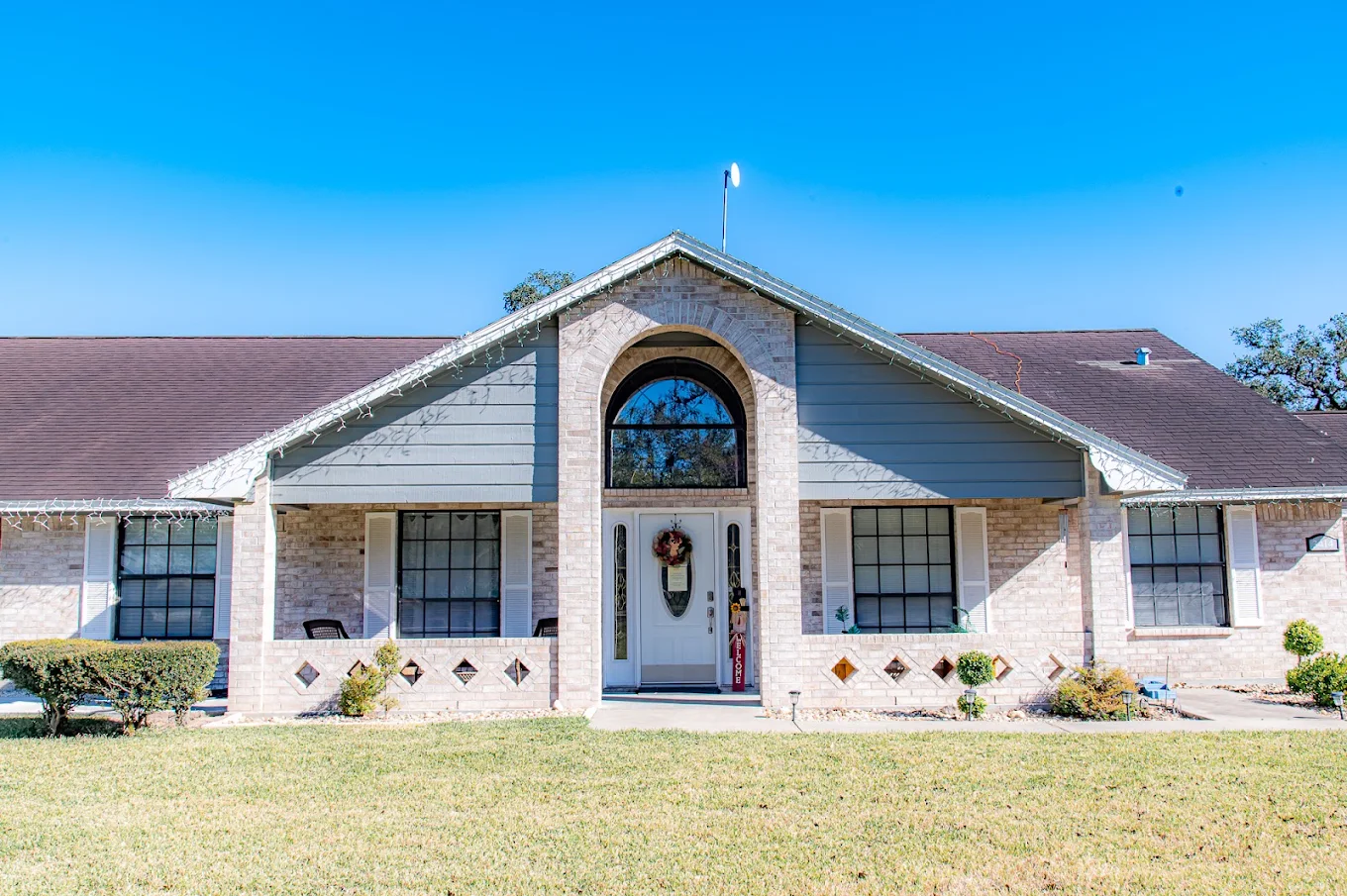
A board and care home is a small residential care home, usually housing 6 to 16 seniors, where residents receive lodging (“board”) and personal assistance (“care”) in a house-like setting. In Texas, these homes are licensed as assisted living facilities. If the idea of your parent living in a warm, small home rather than a large senior complex appeals to you, board and care deserves a close look.
Breaking Down the Term: “Board” Plus “Care”
The phrase dates back to when families took in elderly neighbors and provided for them. “Board” is the old word for meals and lodging: a bed, three squares a day, a roof. “Care” is the personal help: bathing, dressing, medication reminders, and a watchful eye.
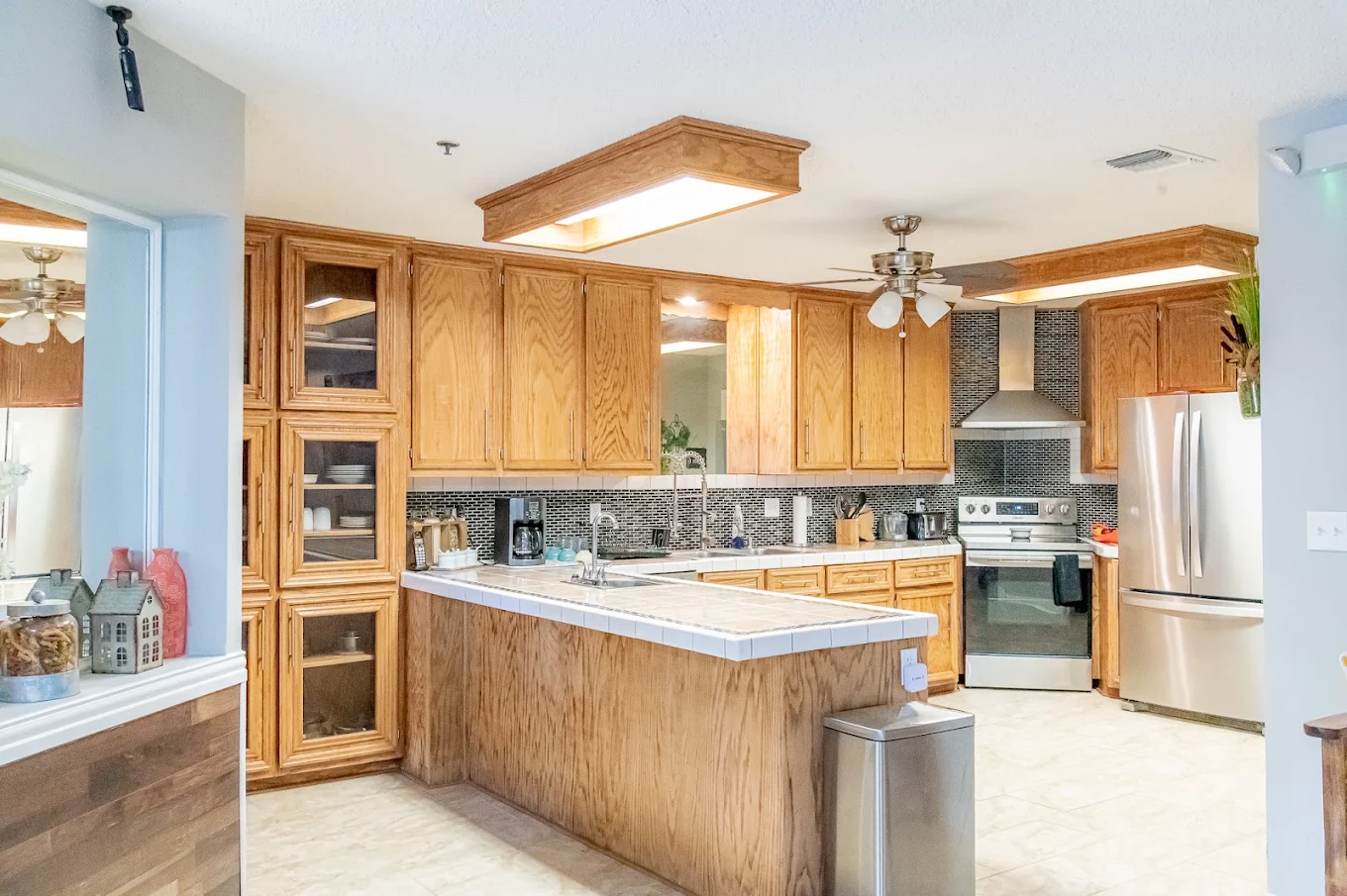
Modern board and care homes keep that same formula, just with professional staff, state licensing, and written care plans. The setting is typically a single-family-style house or a small purpose-built residence with private or companion bedrooms, shared living spaces, one dining room, and a kitchen that smells like actual cooking.
Because the home is small, everything is close. Bedrooms are steps from the living room. The dining table seats everyone at once. Nobody needs a map, a name tag, or a shuttle to find lunch. For seniors who find big buildings confusing or tiring, that simplicity is a genuine comfort.
Board and Care vs. Assisted Living Communities vs. Nursing Homes
These terms get tangled, so here is the plain comparison.
Board and care home: 6 to 16 residents in a house setting. High caregiver-to-resident ratio. Home-cooked meals, personal routines, calm atmosphere. Licensed as assisted living in Texas. Best for seniors who want daily help in a cozy environment.
Large assisted living community: 80 to 200 residents in apartment-style buildings. More amenities: salons, fitness rooms, organized outings. Care is good but organized at scale, and your loved one is one of many. Best for socially active seniors who want independence plus backup.
Nursing home: Medical setting with 24-hour licensed nursing care. For seniors who need ongoing skilled nursing, IV therapy, or complex wound care. The most clinical and the most expensive option.
The key question is not which is “best” in general, but which matches your parent’s needs and temperament. A senior who needs help with daily tasks and blooms with personal attention will likely be happier in board and care than in a 150-unit complex. A senior who needs daily medical treatment belongs in a nursing home, not a board and care setting.
If you are weighing these options, our comparison of assisted living vs nursing homes goes deeper into the differences.
Who Is Board and Care Best For?
Board and care homes are a strong fit for seniors who:
- Need help with daily activities but not skilled nursing
- Feel overwhelmed by large, noisy environments
- Do best with the same familiar caregivers every day
- Have early to mid-stage dementia and need a calm, easy-to-navigate home
- Are couples hoping to stay together affordably
- Prefer home cooking and a family table to restaurant-style dining
Adult children often choose board and care after a parent has tried living alone with home care and it stopped being enough, or after a hospital stay made the risks impossible to ignore. The jump from “home” to “small home with help” feels much smaller than the jump to a big facility, and that matters emotionally for everyone involved.
What Does Board and Care Cost?
Board and care homes are frequently more affordable than large assisted living communities. With lower overhead and no resort-style amenities to maintain, monthly rates in Texas commonly run from the mid $3,000s to about $6,000 depending on care level and location.
Pricing is usually tiered: a base rate covers room, meals, housekeeping, laundry, activities, and basic personal care, while higher tiers reflect greater needs like extensive bathing assistance, incontinence care, or two-person transfers. Always ask for the tier definitions in writing, and ask what triggers a move from one tier to the next. Surprises at billing time erode trust fast.
One more cost note: because board and care homes are small, companion (shared) rooms are common, and they meaningfully lower the monthly rate. For couples or friends, this is worth asking about early since companion rooms are limited.
Texas Licensing: What Families Should Know
In Texas, board and care homes are licensed and inspected as assisted living facilities by Texas Health and Human Services. That means they must meet state standards for staffing, medication handling, fire safety, resident rights, and more.
Before you commit to any home, verify its license and ask about the most recent inspection through the Texas Health and Human Services licensing information page. A reputable home answers these questions without hesitation. If an operator seems annoyed by the question, keep looking.
7 Questions to Ask on Your Board and Care Tour
- How many residents live here right now? The number should be small. That is the entire point.
- What is the caregiver ratio, day and night? Ask about overnight specifically. You want awake staff in the building.
- Who handles medications, and what training do they have? Medication errors are one of the biggest risks in senior care. Ask how this home prevents them.
- What is included in the monthly rate? Get the full list in writing, including what costs extra.
- How do you handle increasing care needs? Listen for an honest explanation of the home’s limits and how transitions are managed.
- Can we talk to families of current residents? A confident “yes” is one of the best signs you can get.
- What happens in a medical emergency? Ask about the protocol, the nearest hospital, and how families are notified.
Visit more than once if you can, and at different times of day. Consistency between visits tells you the good impression was real.
Board and Care FAQs
Is board and care the same as assisted living? In Texas, board and care homes are licensed as assisted living facilities, so they follow the same state regulations. “Board and care” describes the small-home style within that category.
How many people live in a board and care home? Typically 6 to 16 residents. That small size is what makes the personal attention possible.
Can board and care homes handle dementia? Many can, and the small, calm setting often suits early to mid-stage dementia very well. Ask about staff dementia training and how the home handles wandering or sundowning. Learn more about memory care in Victoria, TX.
Are meals really home-cooked? In a true board and care home, yes. Meals are prepared in the home’s kitchen and served family-style. Ask to see a weekly menu and, if possible, stay for a meal during your tour.
What is the difference between board and care and a personal care home? The terms overlap heavily and are often used interchangeably. Both describe small residential care settings. Our guide to personal care homes explains the concept in more detail.
Come See Board and Care Done Right
The best way to understand board and care is to stand in the living room of one. Silver Serenity Assisted Living is a 16-bed board and care home in Victoria, TX, with 24/7 awake staff, home-cooked meals, and caregivers who know every resident. Call (361) 579-0784 to schedule a tour, meet the team, and see whether small-home living is right for your family. We welcome families from Victoria, Cuero, Edna, Goliad, Port Lavaca, Refugio, and Hallettsville.