
If you have been researching senior living, you have probably seen the phrase “personal care home” and wondered what it actually means. Is it the same as assisted living? A nursing home by another name? Something in between?
A personal care home is a small, home-style residence where older adults get help with everyday activities like bathing, dressing, meals, and medications, all delivered in a real house rather than a large institutional building. In Texas, these homes are licensed as assisted living facilities, and families who discover them often say the same thing: “I didn’t know this option existed.”
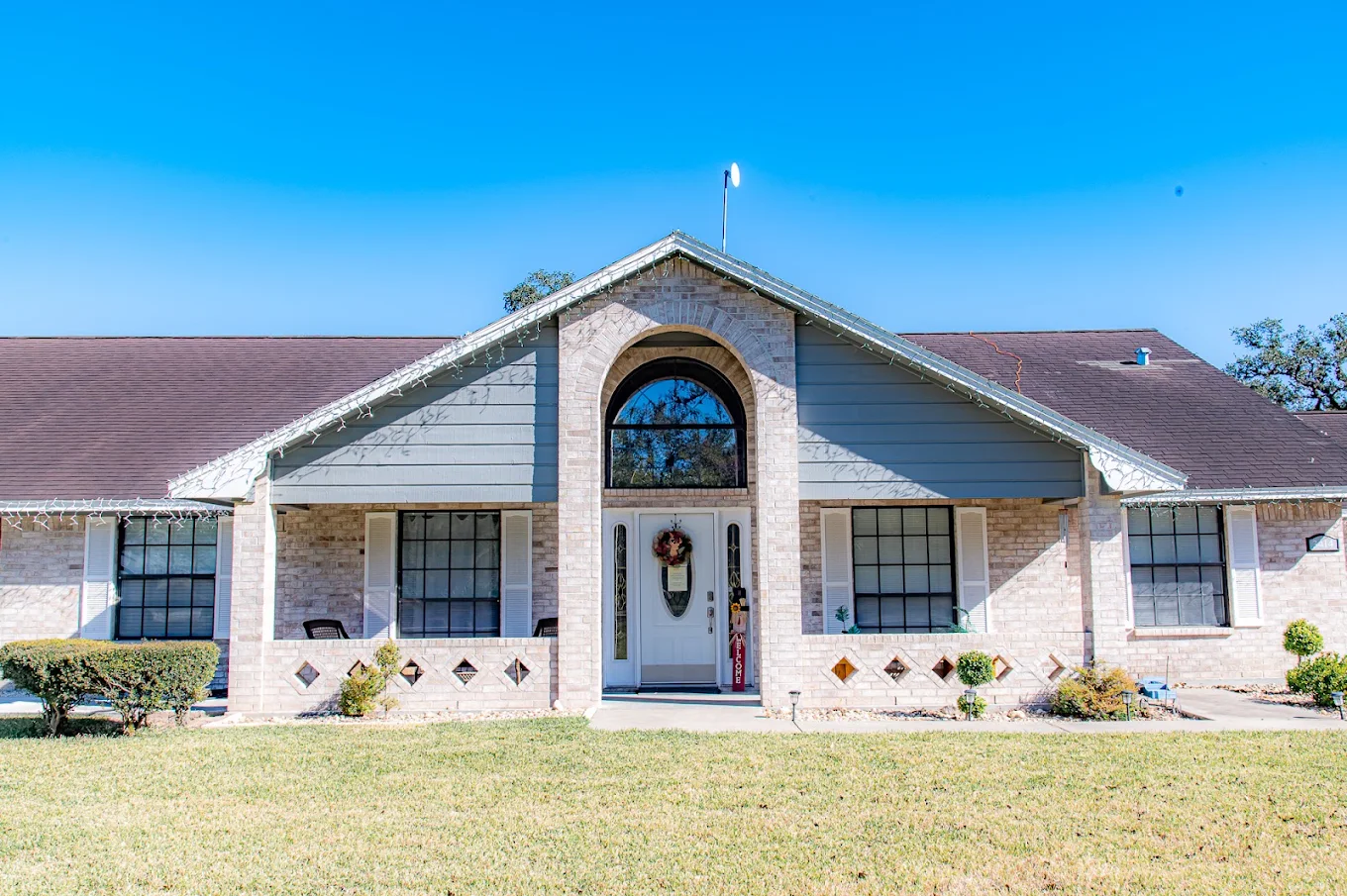
Silver Serenity Assisted Living in Victoria, TX is exactly that kind of place: a 16-bed personal care home where caregivers know every resident by name, including how they take their coffee. This guide walks through what personal care homes offer, how they compare to bigger communities, what they cost, and how to choose the right one.
What Does “Personal Care” Actually Cover?
“Personal care” sounds vague until you see it in action. In practice, it covers the daily tasks that get harder, or less safe, with age:
Bathing and showering. Caregivers provide as much help as needed, from standing by for safety to full hands-on assistance, always with privacy and dignity protected. Grab bars, shower chairs, and non-slip flooring are standard in a well-run home.
Dressing and grooming. Help choosing clothes, getting dressed, brushing hair, shaving, and nail care. These small routines protect a person’s sense of self more than most people realize.
Medication management. Trained staff handle storage, timing, and documentation, so doses are never missed or doubled. For seniors taking five or more prescriptions, this alone prevents countless hospital visits.
Toileting and incontinence care. Handled discreetly and kindly, with scheduled check-ins so residents never have to feel embarrassed about asking for help.
Mobility support. A steady arm on the stairs, help transferring from bed to wheelchair, or simply someone nearby when balance is uncertain.
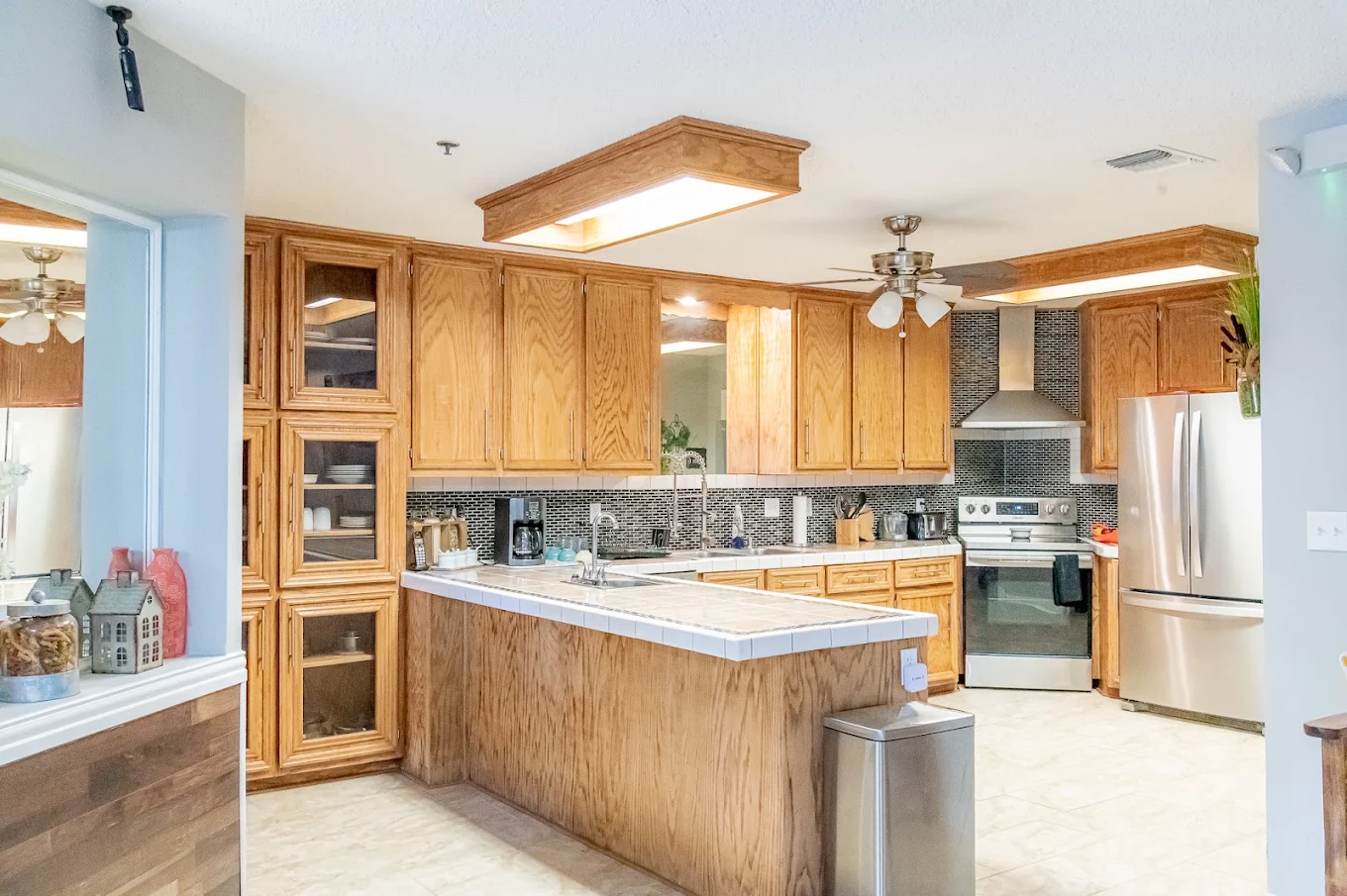
Meals. Three home-cooked meals a day plus snacks, served family-style around a real table. Special diets, such as diabetic-friendly, low-sodium, or soft foods, are part of the routine, not a special request.
Housekeeping and laundry. A clean room, fresh linens, and personal laundry done weekly without anyone having to ask twice.
What makes this “personal” rather than just “care” is that it bends around the individual. Before move-in, the home completes an assessment and builds a written care plan. That plan is reviewed regularly and adjusted as needs change. In a 16-bed home, the people carrying out that plan actually know the person it was written for, which is where small homes quietly outperform big ones.
One clarification worth making: personal care is not skilled nursing. A personal care home does not provide IV therapy, complex wound care, or 24-hour licensed nursing. For seniors who need daily medical treatment, a nursing home or home health agency is the right call. For seniors who need a helping hand with daily life, a personal care home is often the sweet spot.
The National Institute on Aging publishes a clear overview of how residential care settings like these work. The National Institute on Aging’s guide to long-term care facilities is worth a read if you are comparing options.
Personal Care Home vs. Large Assisted Living Community
Both settings provide personal care, but the day-to-day experience is very different.
A personal care home typically serves 6 to 16 residents in a house-like building. Because the group is small, the caregiver-to-resident ratio is naturally higher. Staff notice small changes: a skipped meal, a new limp, a quieter mood than usual. The atmosphere stays calm and familiar, which especially suits seniors who feel overwhelmed by crowds or noise.
A large assisted living community may house 80 to 200 residents in apartment-style units. These communities shine at amenities: beauty salons, fitness classes, scheduled outings, multiple dining venues. But your loved one is one of many, and consistent one-on-one attention is harder to come by. Care can still be excellent, but it is organized at scale, and staff turnover tends to be higher.
Neither is automatically better. A simple rule of thumb: if your parent values routine, familiar faces, and a quiet home, a personal care home fits. If they crave constant social programming and apartment-style independence, a larger community may suit them better. Many families tell us they toured the big communities first, then felt an immediate sense of relief walking into a small home. Trust that reaction; it is telling you something real.
Who Thrives in a Personal Care Home?
Small homes are a strong match for seniors who:
- Need daily help but not round-the-clock medical care
- Feel anxious or lost in large, busy environments
- Do better with consistent caregivers rather than rotating strangers
- Are in the early to mid stages of dementia and need a calm, navigable setting
- Are couples who want to stay together without paying for two apartments
- Value home-cooked meals and a family table over restaurant-style dining
They are less ideal for seniors who need frequent skilled nursing, want a packed social calendar, or prefer a fully private apartment with a kitchenette. An honest home will tell you when it is not the right fit, and that honesty is itself a green flag.
What Daily Life Looks Like in a Personal Care Home
Forget hallways lined with wheelchairs. A day in a personal care home runs on the residents’ rhythm, not a corporate schedule.
Mornings start at each person’s pace. Caregivers help residents get up, washed, and dressed, then everyone gathers for a hot breakfast cooked in the home’s own kitchen. Medications come with juice and conversation, not a paper cup thrust through a doorway.
Midday means lunch, then rest or activities. In a small home, activities are personal rather than programmed for forty people. A puzzle with a caregiver. Bingo in the living room. Sitting on the porch when the Gulf breeze cooperates. A short walk around the yard for those who are able.
Evenings wind down with dinner, a favorite show, and help getting ready for bed. Overnight, awake staff remain on hand, so help is always a call button away.
Families are welcome to visit, share meals, and stay involved. In a small home, the staff know the family members too, and they will call you if something seems off. That partnership between family and caregivers is one of the quiet strengths of the personal care home model.
How Much Does a Personal Care Home Cost in Texas?
Small personal care homes in Texas are often more affordable than large assisted living communities. While statewide assisted living averages roughly $4,500 to $5,500 a month, small homes frequently price below that because their overhead is lower: no marketing department, no grand atrium to maintain.
Most homes use tiered pricing based on care level. A resident who mainly needs meals, housekeeping, and medication reminders pays the base rate. Someone who needs extensive help with bathing, transfers, or incontinence care pays a higher tier. Typical ranges run from the mid $3,000s to around $6,000 a month depending on location and needs.
Ask exactly what each tier includes, and get it in writing. In a well-run home, meals, utilities, housekeeping, laundry, activities, and basic personal care are all in the monthly rate. Be cautious about long lists of add-on fees for things that sound like basic care. A clear, one-page pricing sheet is a good sign.
For a deeper breakdown of what senior living costs around here, see our guide to the cost of assisted living in Texas.
How to Choose the Right Personal Care Home: 7 Questions to Ask
- How many residents live here, and what is the caregiver ratio on each shift? Small numbers are the whole point. Ask specifically about nights and weekends, not just the day shift.
- Is staff awake and on-site overnight? “On call” is not the same as “awake and present.” You want someone alert in the building all night.
- How do you handle medications? Ask who is trained, how errors are prevented, and how families are notified of any changes.
- What is included in the monthly rate, and what costs extra? Get the full list in writing before you sign anything.
- What happens when a resident’s needs increase? A good home explains its limits honestly and helps you plan ahead, rather than issuing a surprise discharge notice.
- Can we speak with current residents’ families? Willingness to connect you is a strong trust signal. Hesitation is the opposite.
- When was your last state inspection, and were there any violations? In Texas, assisted living facilities are regulated by Texas Health and Human Services, and you can verify a license yourself.
Tour at different times of day if you can. A home that feels warm at 10 a.m. should feel exactly the same at 7 p.m.
Personal Care Home FAQs
Is a personal care home the same as assisted living? In Texas, small personal care homes are licensed as assisted living facilities, so they follow the same state rules. The phrase “personal care home” describes the size and style: a small, home-like setting focused on hands-on personal care rather than a large campus.
Can a personal care home handle dementia? Many can, and small homes are often ideal for early to mid-stage dementia. The setting is calm, consistent, and easy to navigate, which reduces confusion and agitation. Ask about staff dementia training and how the home manages wandering or sundowning. Learn more about our memory care in Victoria, TX.
Are personal care homes safe? Licensed homes must meet state standards for fire safety, staffing, medication handling, and more. Ask about the most recent inspection results, and confirm the license through Texas Health and Human Services before you commit.
How do I know when my parent needs a personal care home? Watch for missed medications, spoiled food in the fridge, unexplained bruises, declining hygiene, withdrawal from friends, or a recent fall or hospital stay. When daily life is becoming unsafe, it is time to tour our assisted living in Victoria, TX community.
Do personal care homes accept couples? Many do, often with companion suites or shared rooms that also lower the monthly cost per person. Ask about availability, since companion rooms are limited in small homes and tend to fill fast.
Come See Personal Care Done Right
Reading about personal care homes is a start, but walking into one tells you everything in about ten minutes. Come have coffee with us, meet the caregivers, and watch a normal day unfold. Call Silver Serenity Assisted Living at (361) 579-0784 to schedule a tour. We welcome families from Victoria, Cuero, Edna, Goliad, Port Lavaca, Refugio, and Hallettsville, and we would be glad to show you what personal care feels like in a real home.